"The Wooden Pallets Vendor Awards: The Most Sexiest, Worst, And Weirdest Things We've Ever Seen


The Essential Guide to Wooden Pallet Vendors
In the vibrant world of logistics and supply chain management, wooden pallets play a crucial role in the transport and storage of goods. Suppliers concentrating on wooden pallets offer important support to various markets by offering a diverse variety of products fit to different needs. This blog post looks into the significance of wooden pallets, the procedure of selecting a vendor, and essential factors to consider for businesses when engaging with pallet providers.
Comprehending Wooden Pallets
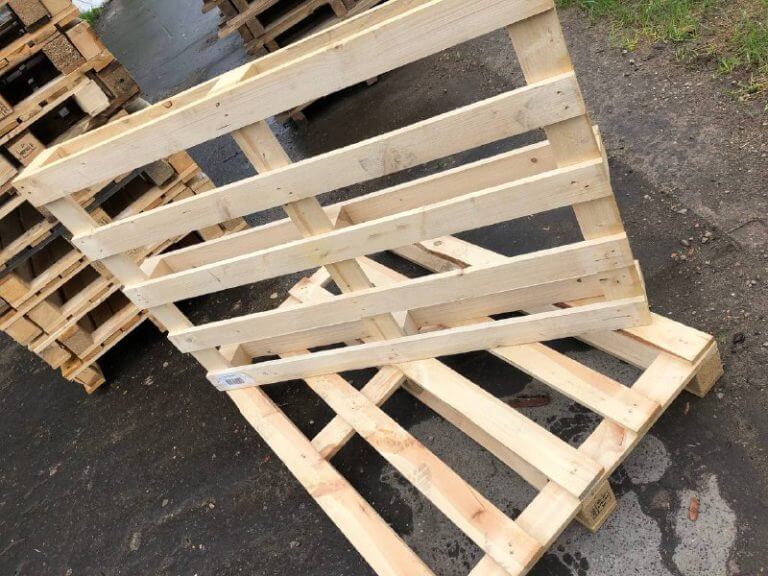
Wooden pallets are flat structures, normally made from lumber, developed to support goods during transportation and storage. They supply a stable base for stacking products and facilitate the movement of products utilizing forklifts and pallet jacks. The durability and strength of wooden pallets make them a preferred option for various markets, consisting of agriculture, production, and retail.
Kinds Of Wooden Pallets
There are several types of wooden pallets readily available in the market, each developed for particular applications. The following table describes the most common types:
| Type of Wooden Pallet | Description | Best Used In |
|---|---|---|
| Stringer Pallets | Consisted of three parallel stringers with deck boards on top. | General purpose, warehouse storage |
| Block Pallets | Feature obstructs in each corner, using more stability and flexible handling. | Sturdy applications, shipping |
| Double-Face Pallets | Deck boards on both sides, enabling for loading from either side. | Industries with high turnover rates |
| Single-Face Pallets | Just one side has deck boards, lighter, and more economical. | Light transport and display purposes |
| Customized Pallets | Tailored to particular dimensions and requirements. | Specialized goods, special applications |
Picking the Right Wooden Pallet Vendor
Choosing a trustworthy wooden pallet vendor is crucial to making sure quality and conference functional requirements. Here are some factors companies ought to think about when evaluating possible suppliers:
1. Quality control
Quality of pallets is critical as it impacts the safety and stability of goods. Suppliers must supply pallets that adhere to market requirements such as ISPM 15, which determines treatment and marking for global shipping.
2. Series of Products
Choose a vendor that provides a varied choice of pallets, including numerous designs, sizes, and grades. This versatility enables companies to satisfy particular logistical needs.
3. Customization Options
Some organizations may require customized pallets customized to distinct requirements. Suppliers that offer these services can enhance efficiency and guarantee better fitment within the supply chain.
4. Prices and Terms
Understanding the pricing structure and payment terms is vital. Organizations ought to compare quotes from various suppliers to find competitive rates while preserving quality.
5. Shipment Capabilities
Evaluate the vendor's ability to deliver pallets in a prompt way. Dependable shipping and stock schedule can significantly affect the operational circulation of a business.
6. Environmental Practices
With growing concerns about sustainability, it is beneficial to select vendors that focus on environmentally friendly practices, such as sourcing timber from sustainable forests and recycling pallets.
7. Track record and Reliability
Research the vendor's credibility through consumer reviews and testimonials. Reliable suppliers must have a tested track record of delivering quality items regularly.
8. Customer Support
Excellent customer care is an essential factor to consider. Suppliers ought to be simple to interact with, responsive to inquiries, and going to resolve potential issues immediately.
Often Asked Questions (FAQs) About Wooden Pallet Vendors
Q1: What are the advantages of utilizing wooden pallets?
A1: Wooden pallets are strong, economical, and easily fixed. They can deal with heavy loads and are biodegradable, making them an environmentally friendly shipping solution.
Q2: How do I identify the best pallet size for my items?
A2: The best pallet size depends on the measurements and weight of your products. agronytradingllc to pick a pallet that provides adequate support while taking full advantage of storage and shipping efficiency.
Q3: Can I get pallets tailored for my particular requirements?
A3: Yes, many suppliers provide personalization choices. You can specify measurements, load capability, and even branding on your pallets.
Q4: What industry requirements should I consider when purchasing wooden pallets?
A4: Look for pallets that abide by ISPM 15 policies for international shipping. Furthermore, consider requirements set by companies like the National Wooden Pallet and Container Association (NWPCA).
Q5: What should I do if I receive damaged pallets from a vendor?
A5: Most reliable suppliers will have policies in place for handling harmed items. Contact the vendor instantly for resolution, which might involve replacements or refunds.
Wooden pallets function as the backbone of the logistics market, and picking the right vendor is important for service success. By considering factors such as item quality, customization choices, rates, and credibility, companies can forge collaborations that improve operational performances and drive yield. With a wide variety of suppliers readily available, businesses must conduct extensive research and make notified decisions to guarantee they get the very best solutions tailored to their needs. Stabilizing expense with quality and sustainability will yield long-lasting advantages in the competitive landscape of supply chain management.